
Product Description
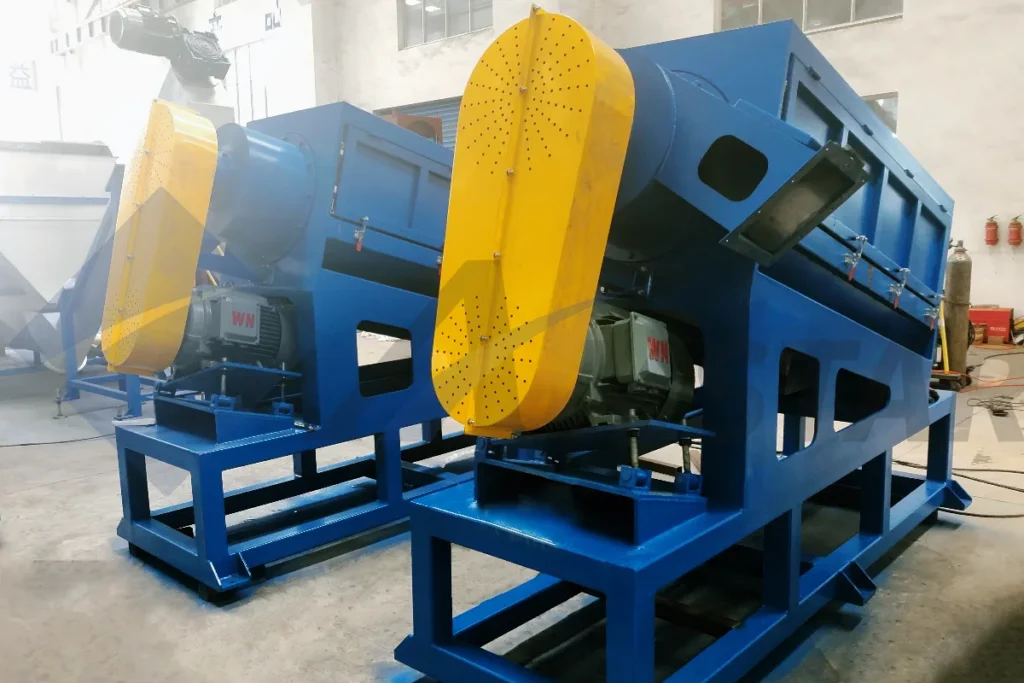
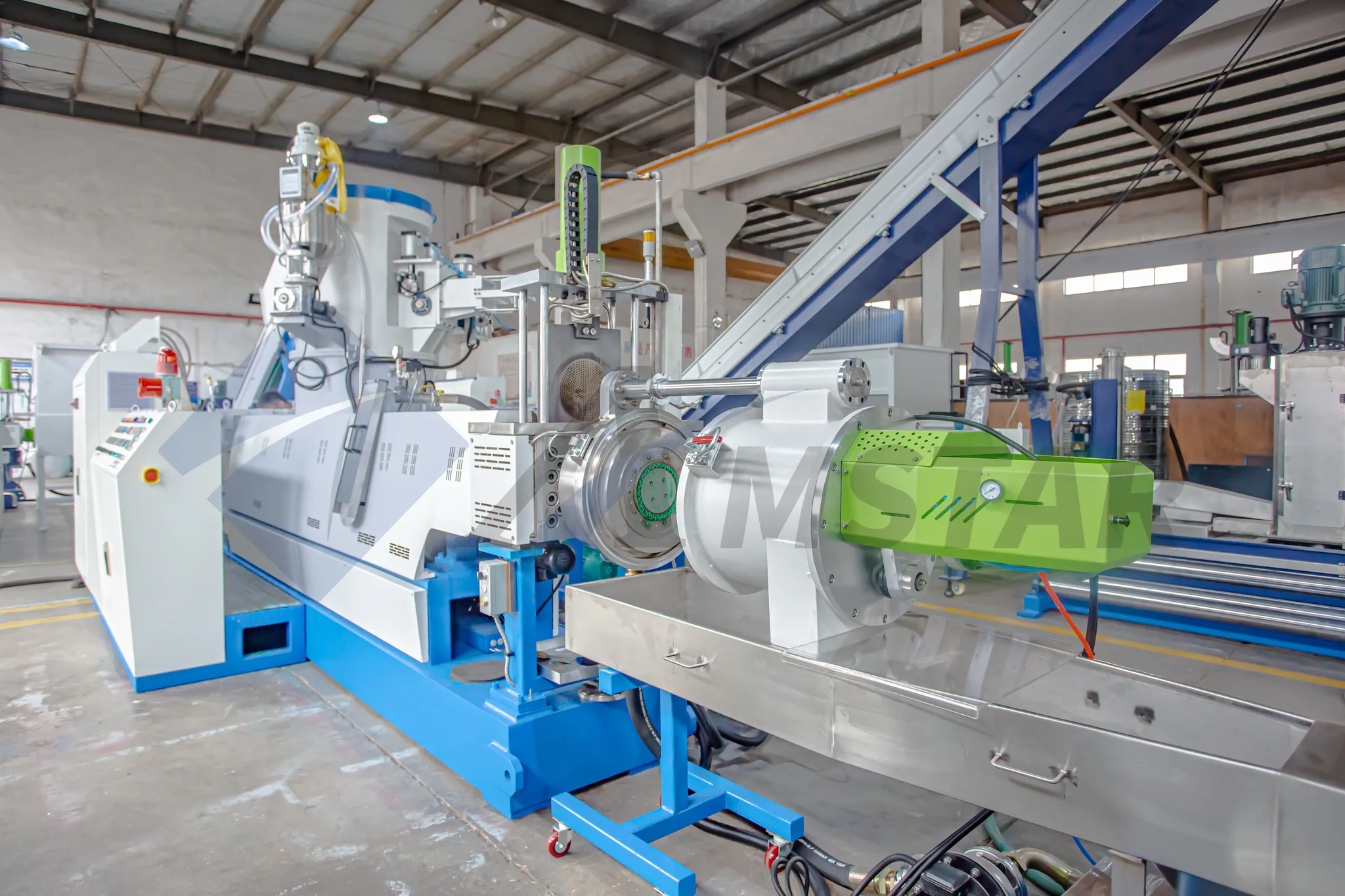
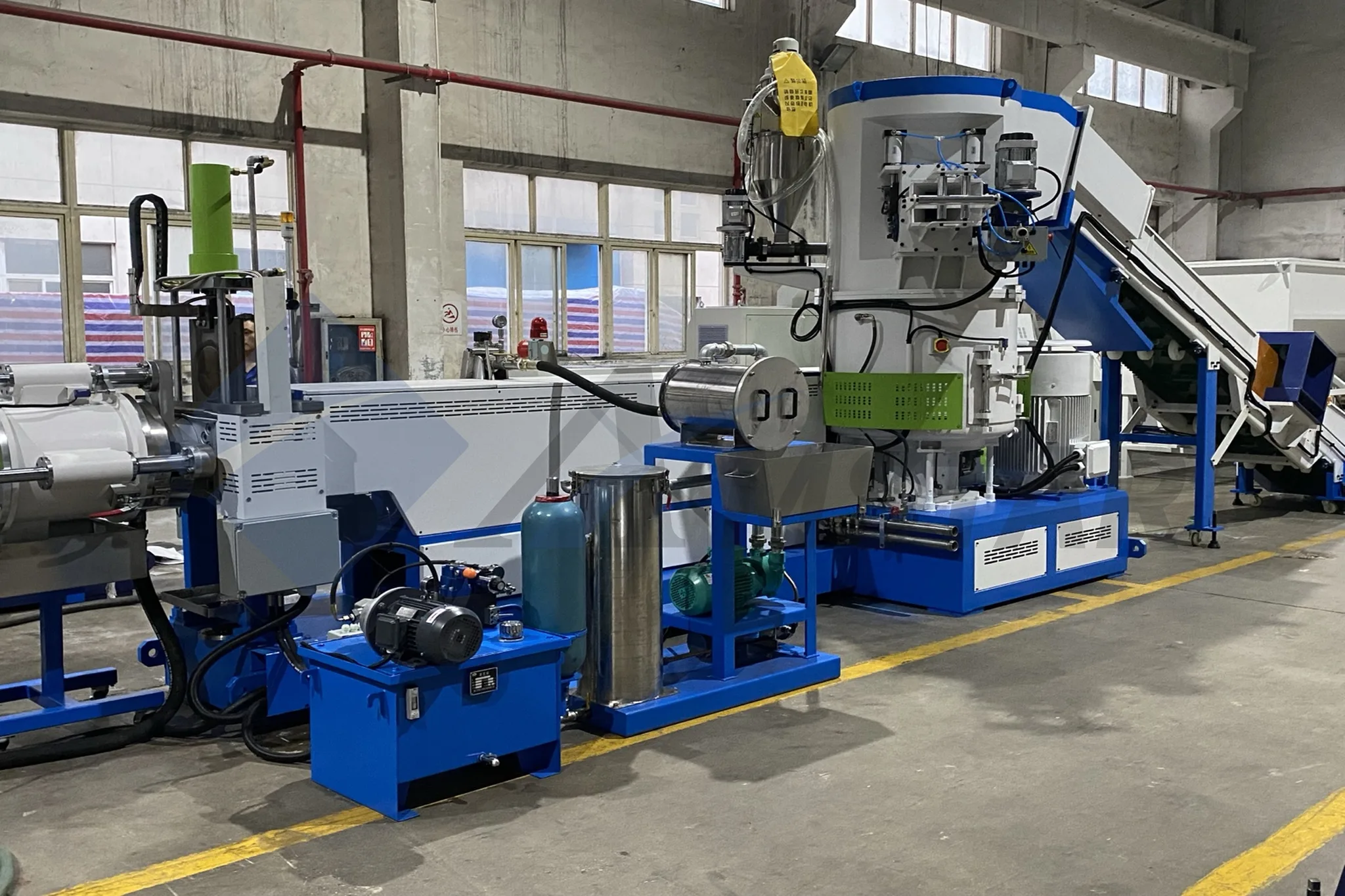
Our PE Film Pelletizing Line converts LDPE and LLDPE film waste into reusable plastic pellets through integrated feeding, compacting, extrusion, melt filtration, pelletizing, and drying. It is designed for clean post-industrial PE film scraps, packaging film, stretch film, production offcuts, and properly washed and dried post-consumer PE film. The system helps improve the handling of lightweight film and supports stable, continuous pellet production.
Depending on the feedstock and selected configuration, the line can also accommodate suitable PP film, raffia, and other flexible plastic scraps. For heavily contaminated PE film, a washing and drying line is recommended before pelletizing. A two-stage extrusion system with enhanced degassing may be selected for materials with higher residual moisture or printing-related volatiles. Water-ring die-face pelletizing is a common choice; strand or underwater pelletizing may be available for specific applications.
Working Principle
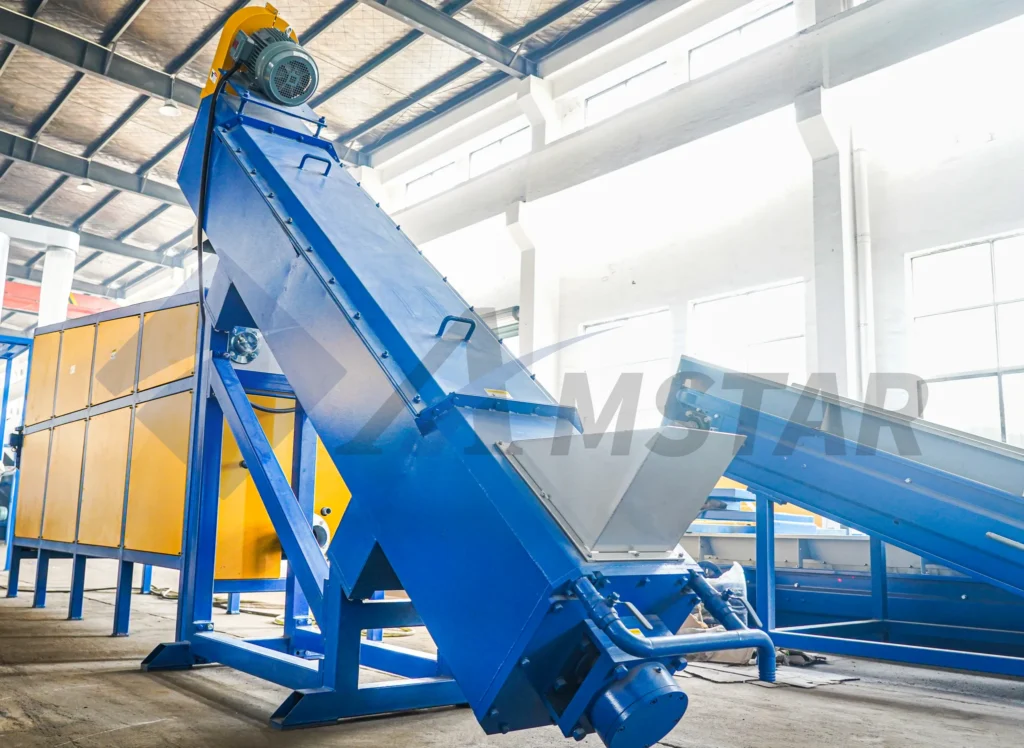
- Feeding: Loose PE film scraps are delivered by belt conveyor to the cut-compactor. An optional roll-feeding device can handle film rolls and edge trim. Automatic feeding control adjusts the supply to the compactor; a metal detector can be installed to detect metal contamination and interrupt feeding.
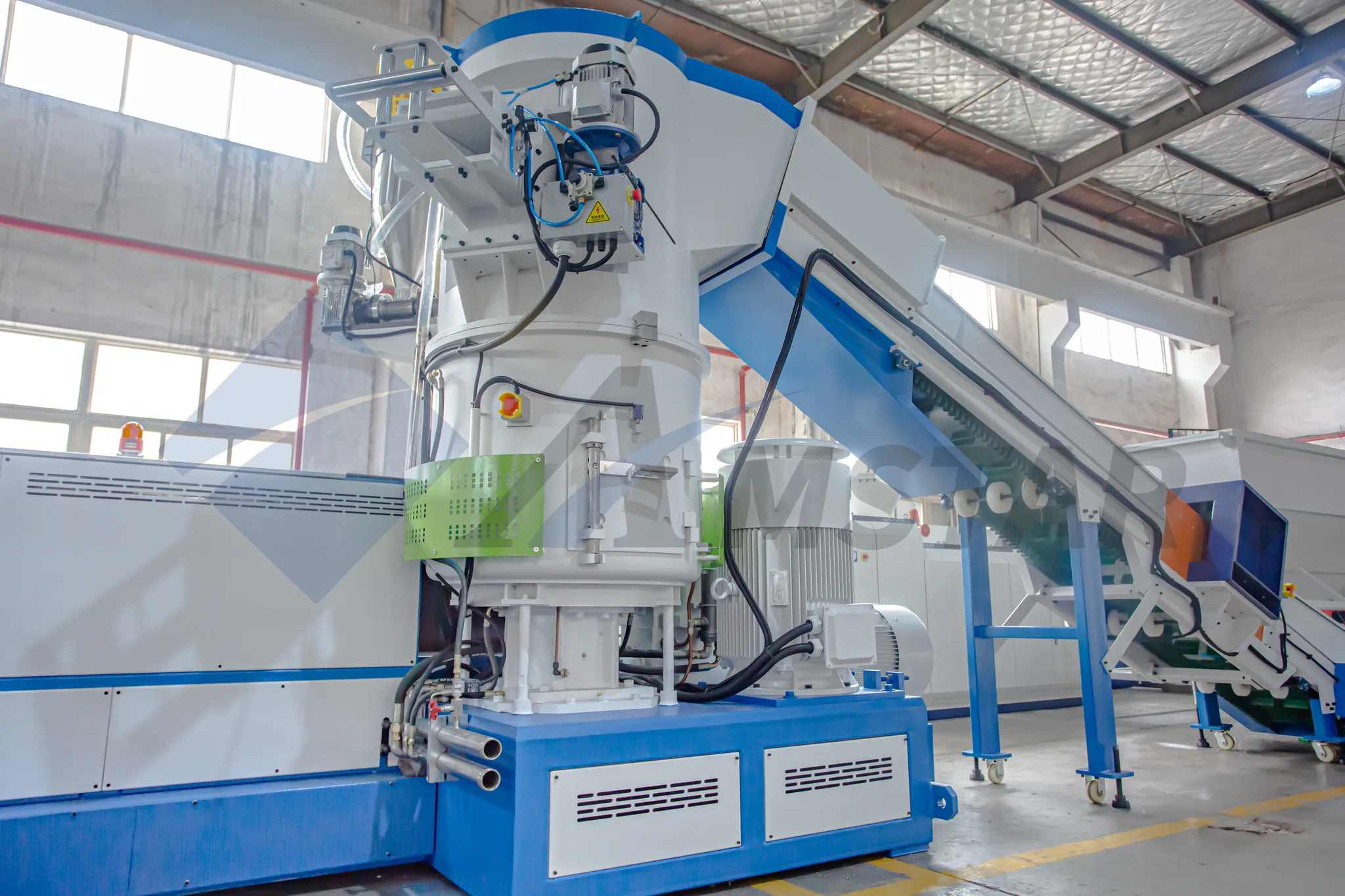
- Cutting and Compacting: High-speed rotating knives cut, mix, and densify lightweight PE film. Frictional heat reduces its volume and increases bulk density, helping the material feed more consistently into the extrusion screw.
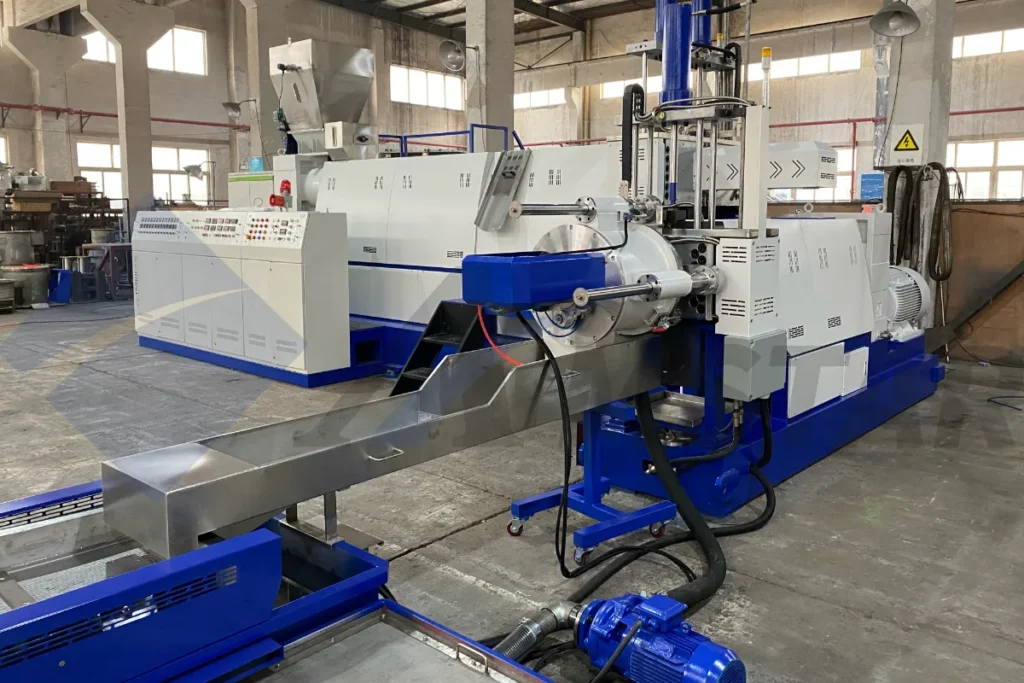
- Extrusion and Degassing: A specially designed single-screw extruder melts and homogenizes the pre-compacted PE film. The screw and barrel configuration is selected according to the material. Optional vacuum degassing helps release entrained moisture and volatile components. For demanding feedstocks, a two-stage extrusion configuration can be considered.
- Melt Filtration: A hydraulic screen changer filters residual solid contaminants from the PE melt. Screen mesh and filtration arrangement are selected according to film cleanliness, required pellet quality, and operating conditions. A suitable screen-changing system can reduce production interruptions.
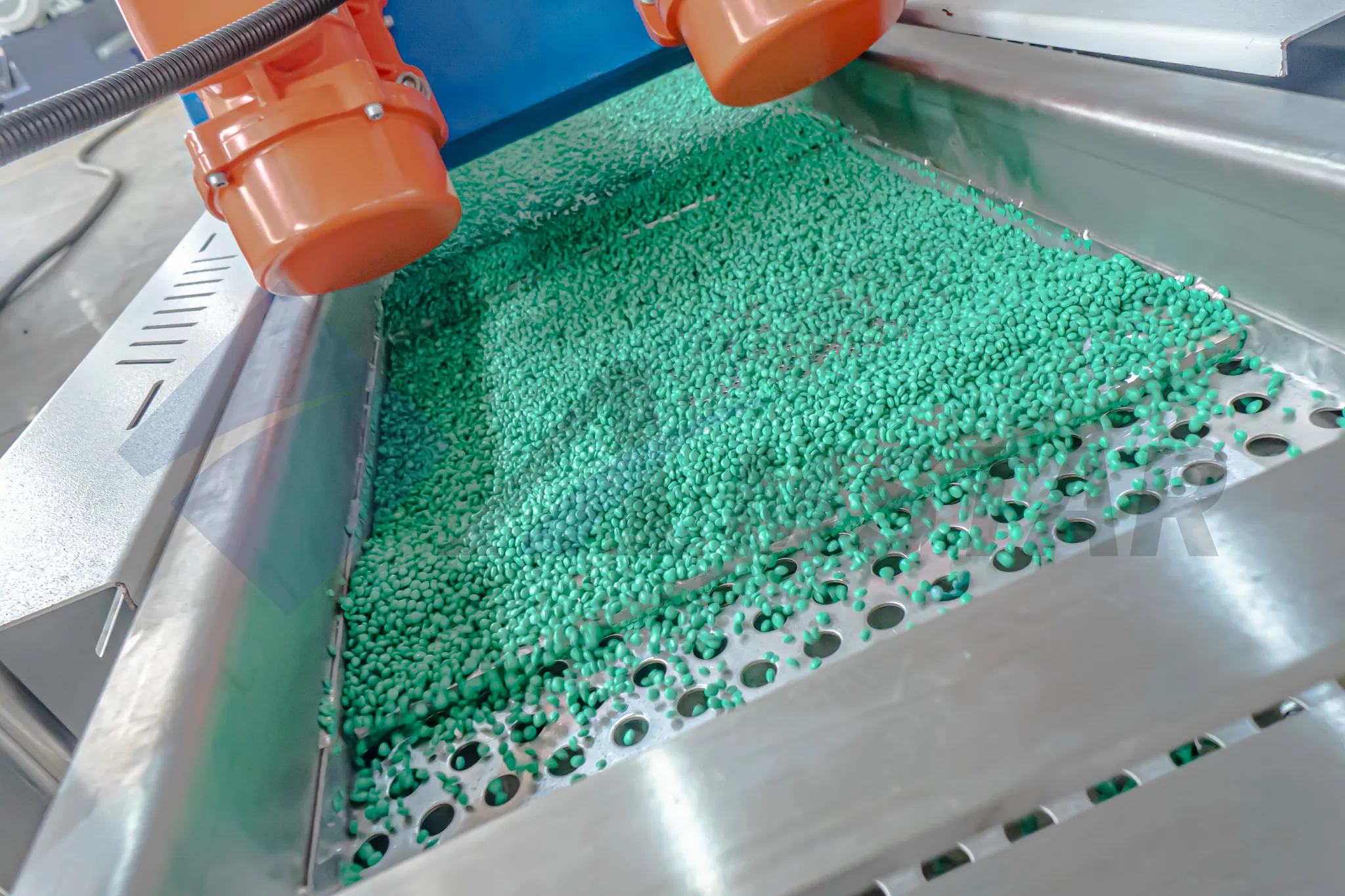
- Pelletizing, Cooling and Drying: With water-ring die-face pelletizing, rotating knives cut the molten PE at the die face. Circulating water cools and transports the pellets, which then pass through a vibrating dewatering screen and centrifugal dryer before collection. Alternative pelletizing methods may be specified to suit the project.
Specifications
Output ranges are indicative. Final output and machine configuration depend on PE film type, bulk density, moisture, contamination, filtration and motor selection.
Swipe or scroll horizontally to compare all columns.
| Model | Reference Output (kg/h) |
|---|---|
| ML85 | 180–250 |
| ML100 | 300–400 |
| ML130 | 500–600 |
| ML160 | 700–800 |
| ML180 | 1,000–1,500 |
More Images
Ordering
Production and delivery schedules depend on the configuration, component availability and agreed order milestones. Your written quotation and contract specify the lead time, its start date, and whether days are calendar or working days.
Contact us to discuss pricing and ordering details. Here is a brief summary of our ordering procedures.